Female. Focus. Photo Archives.
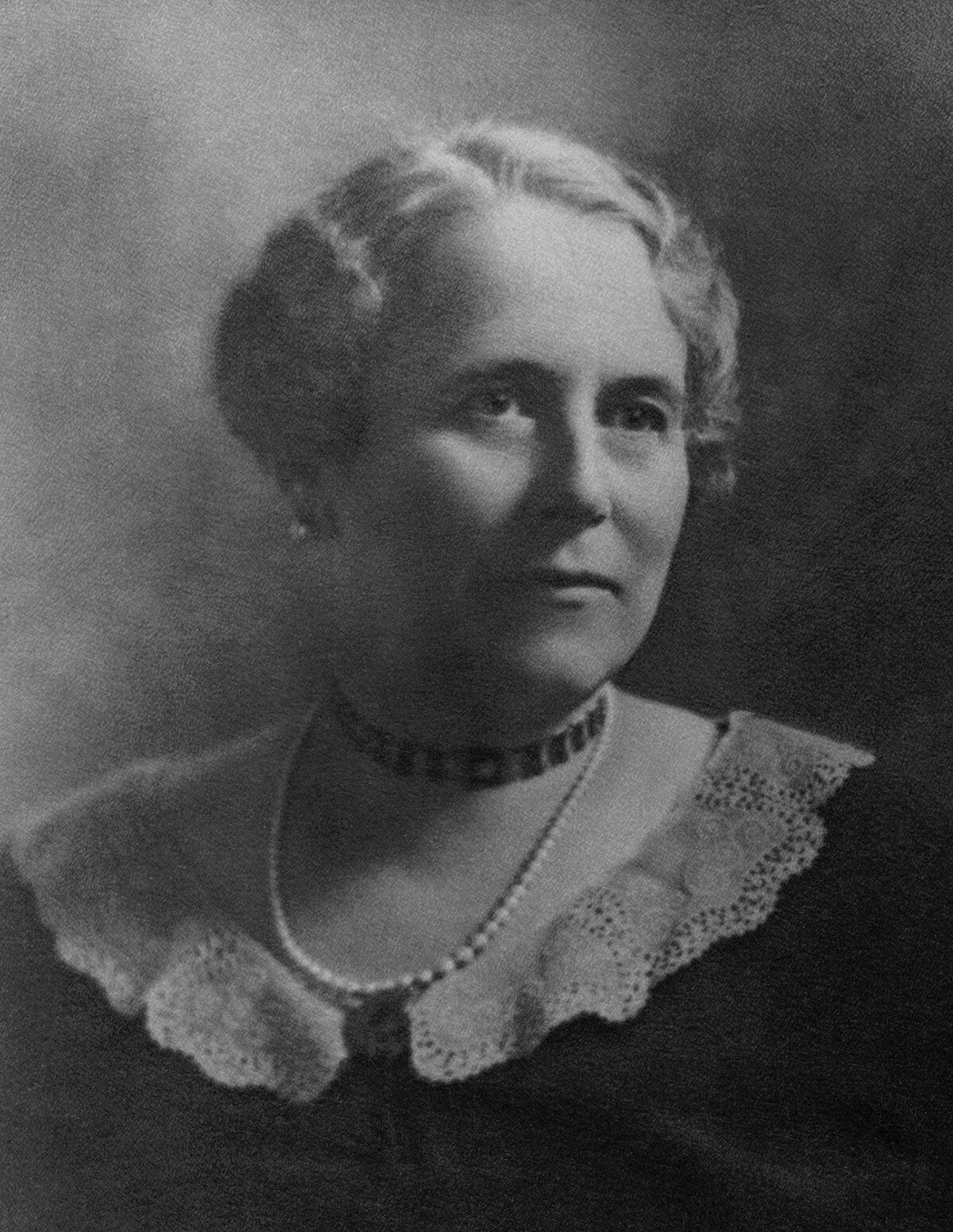
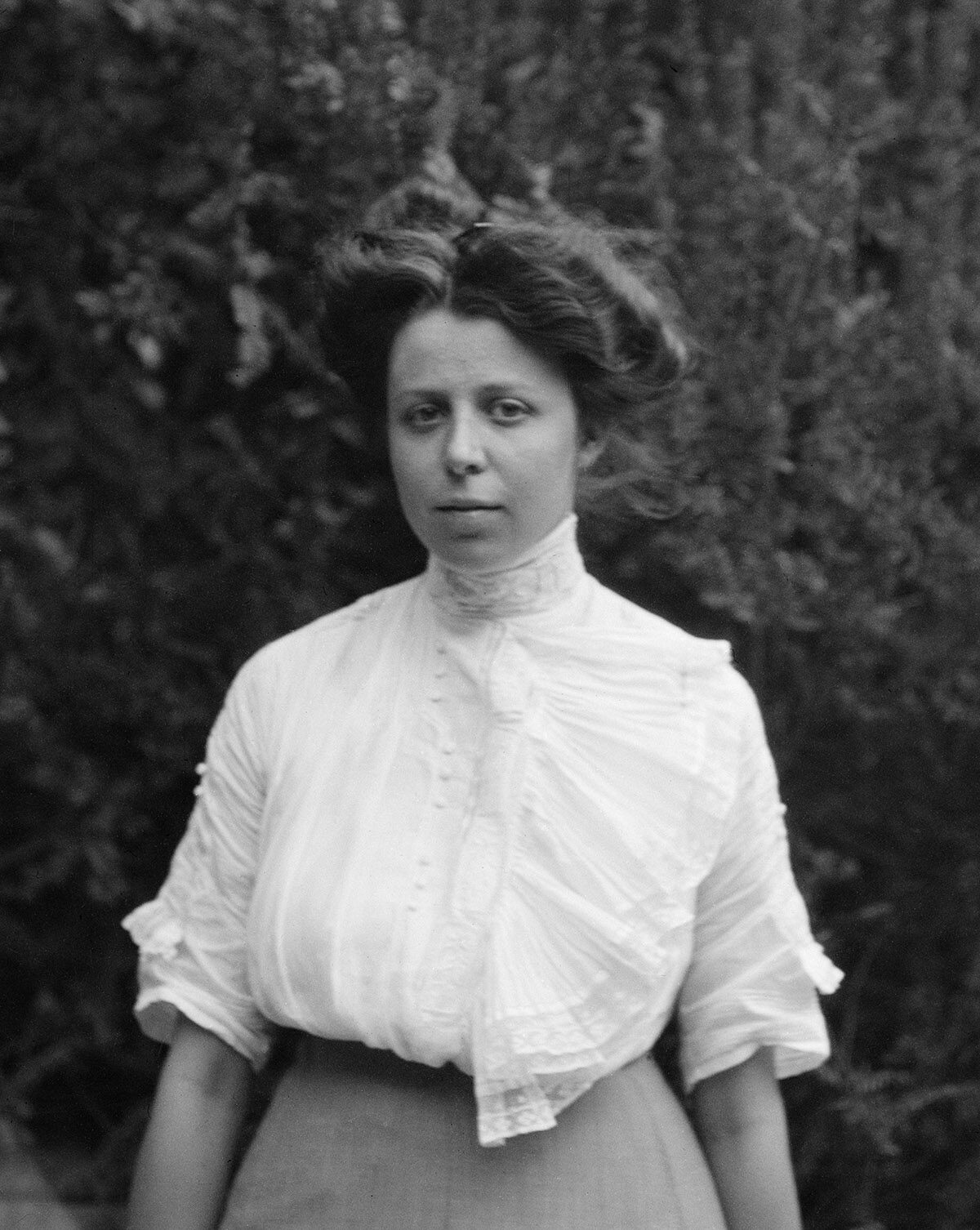
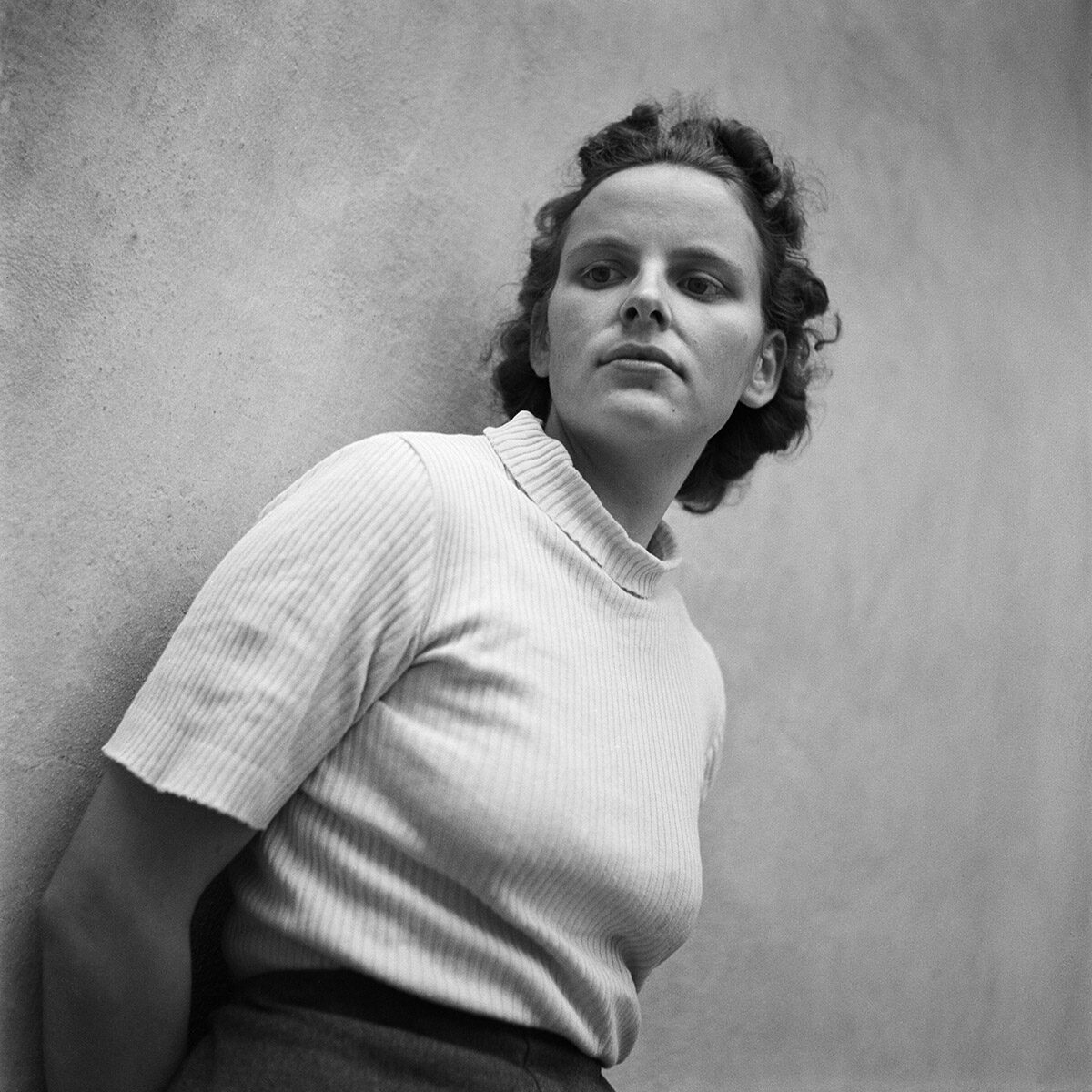
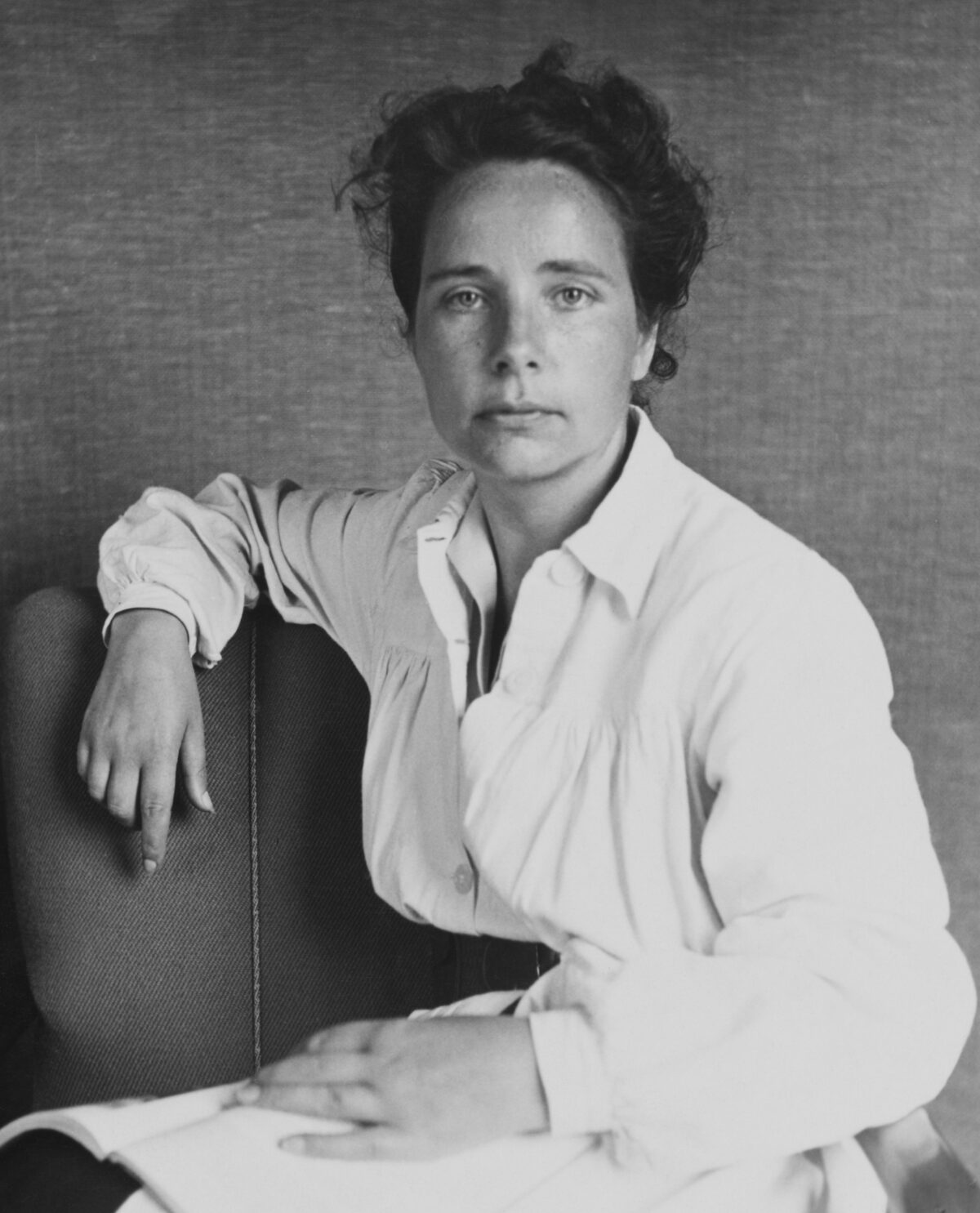
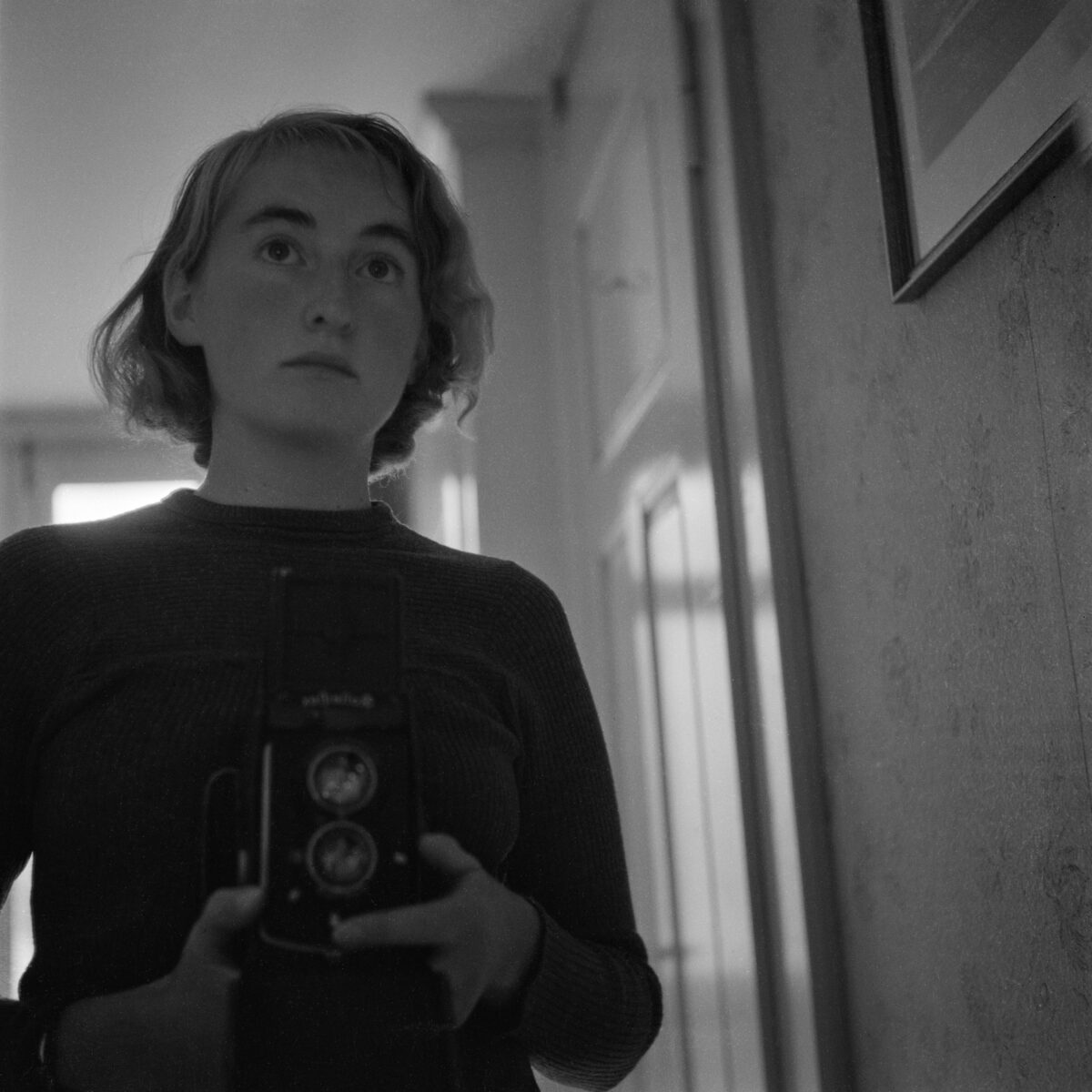
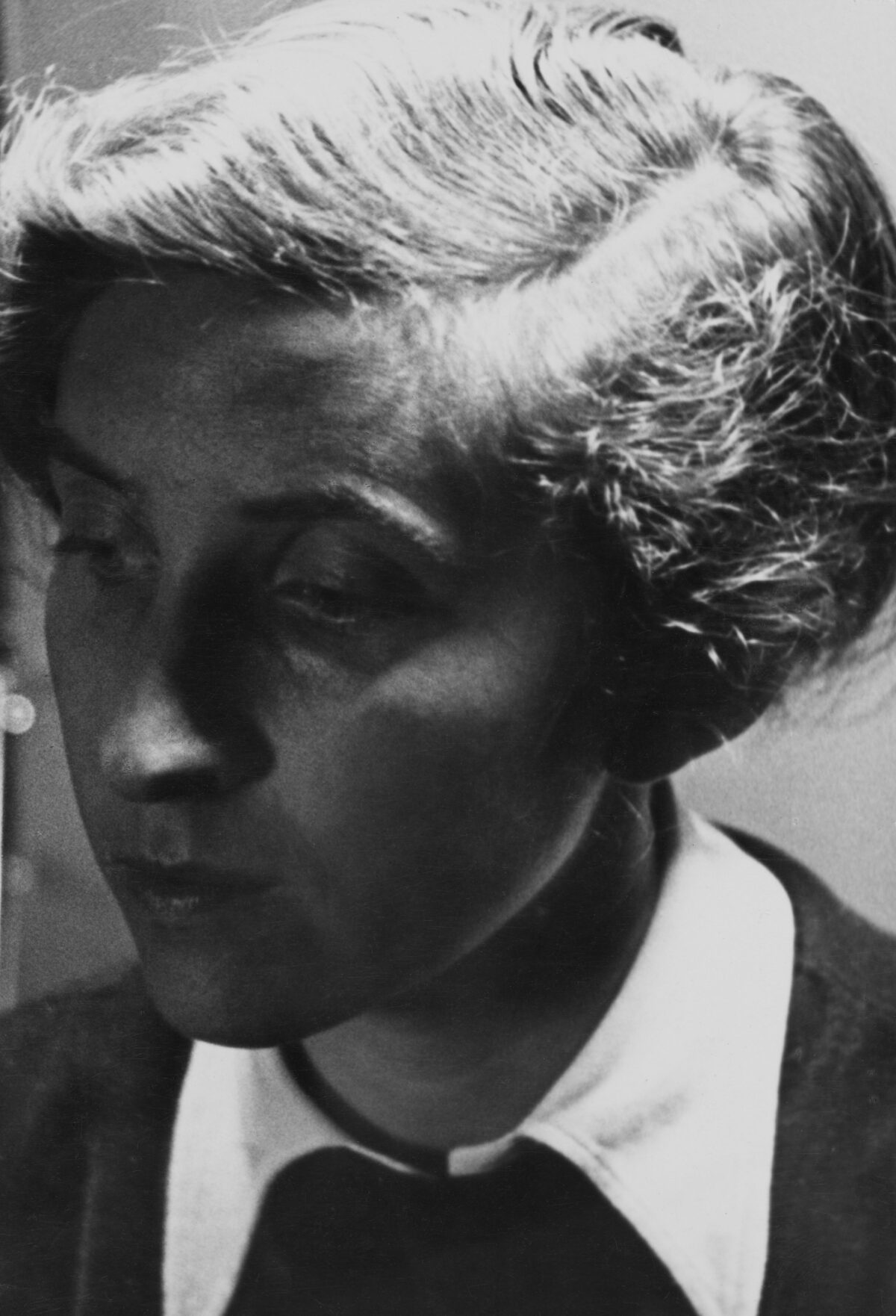
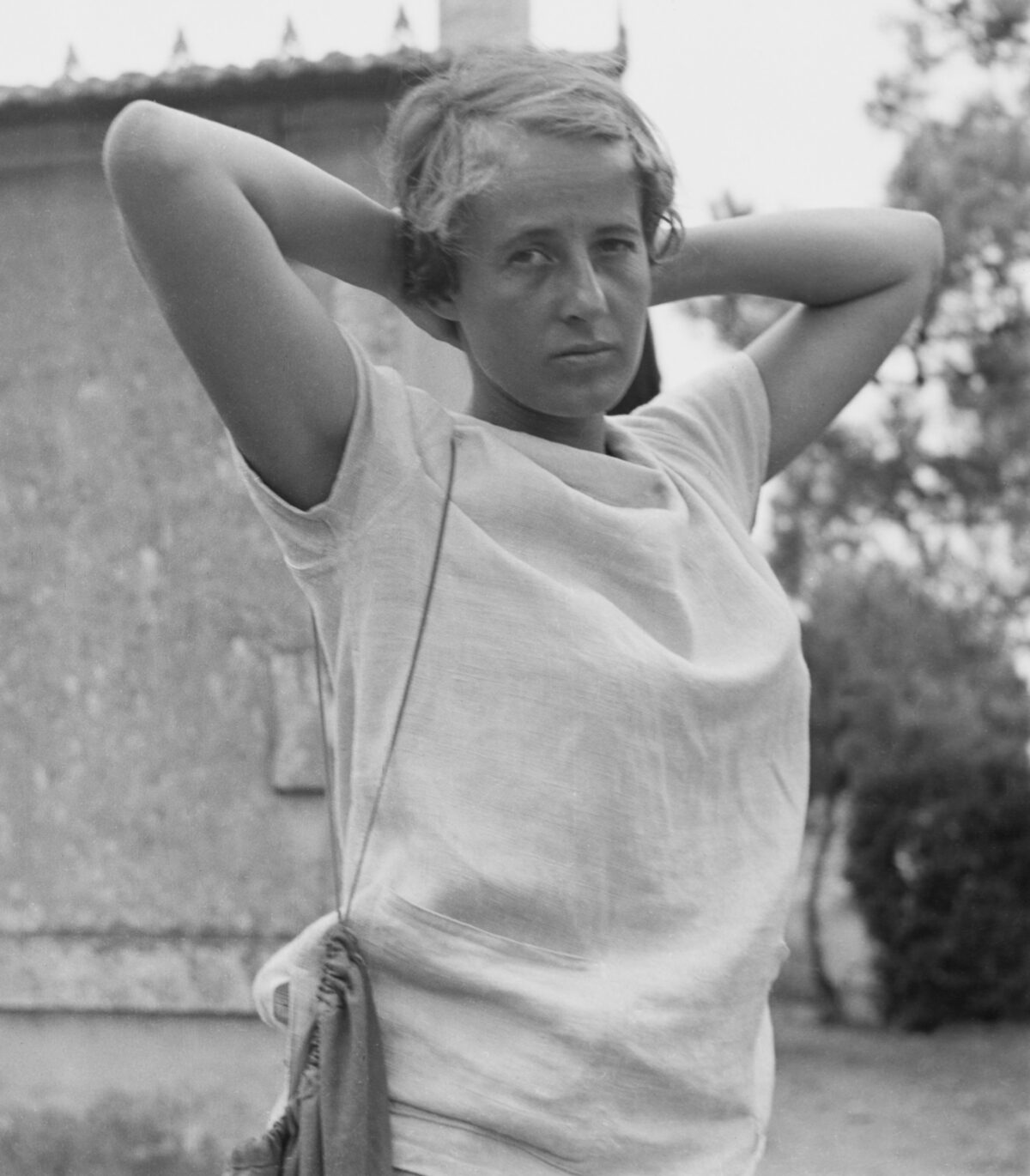
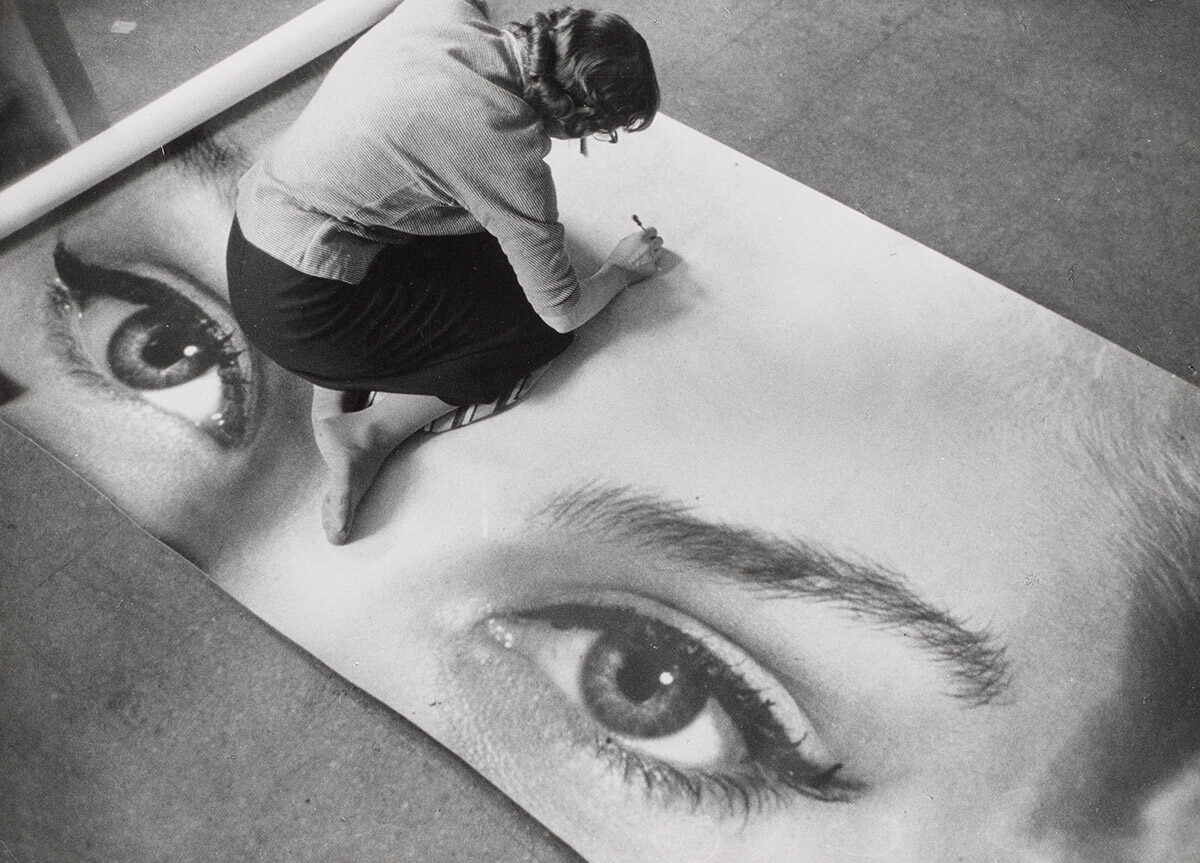
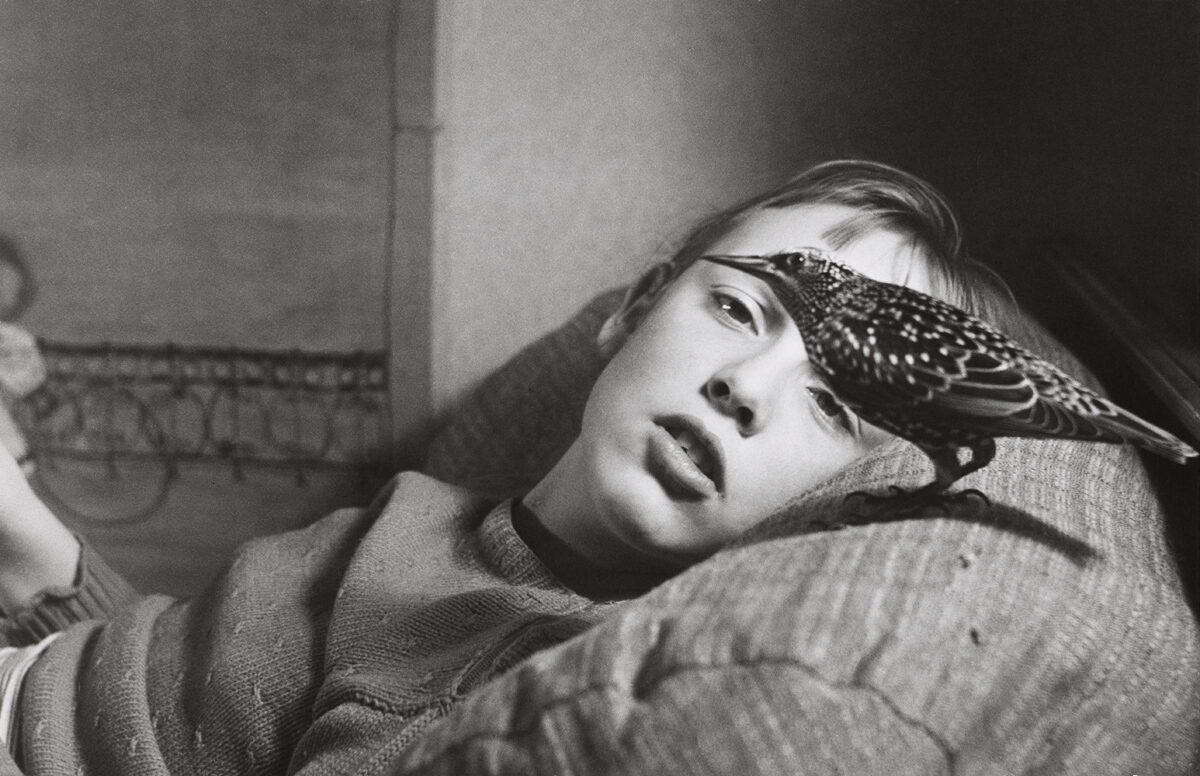
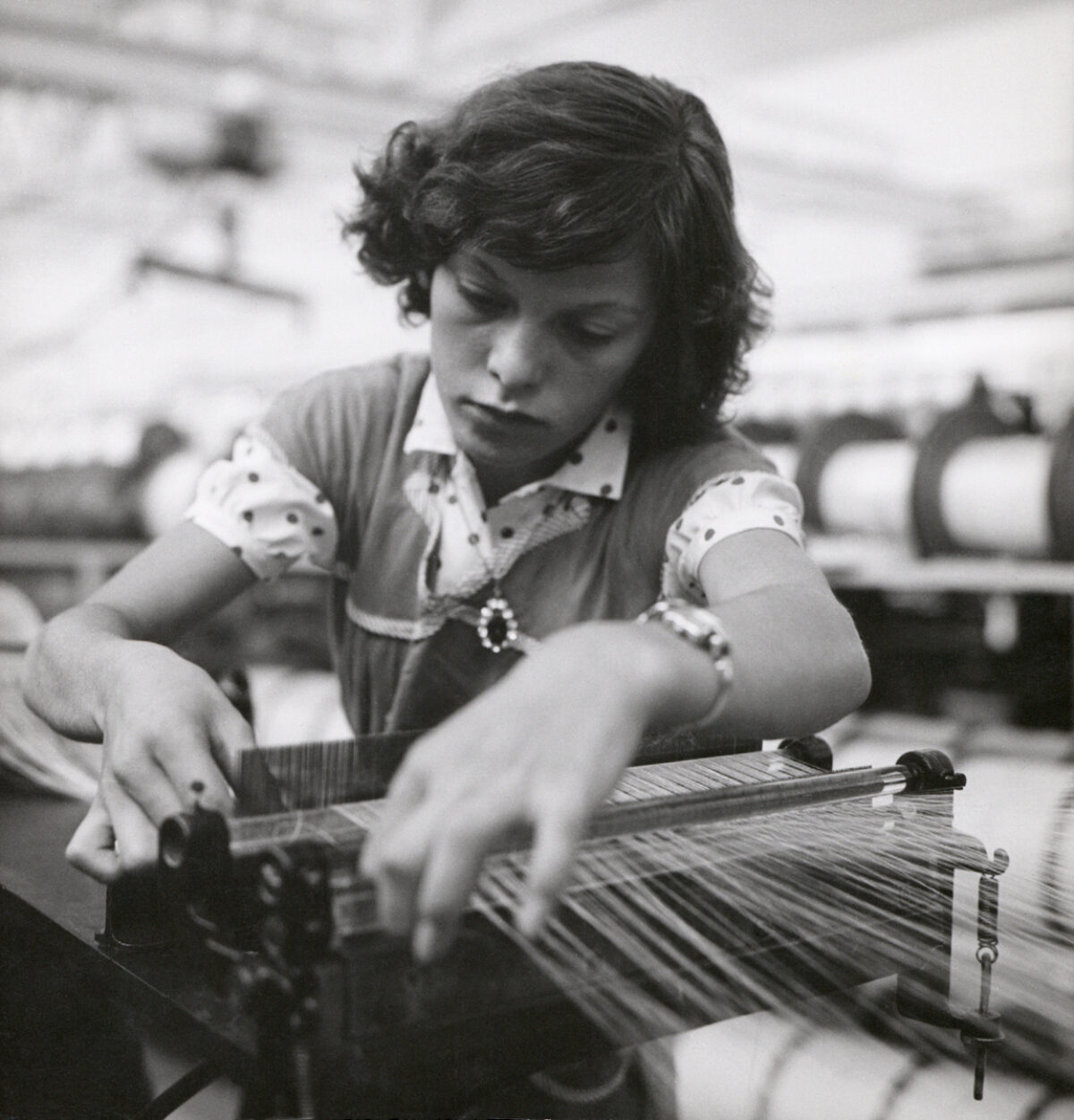
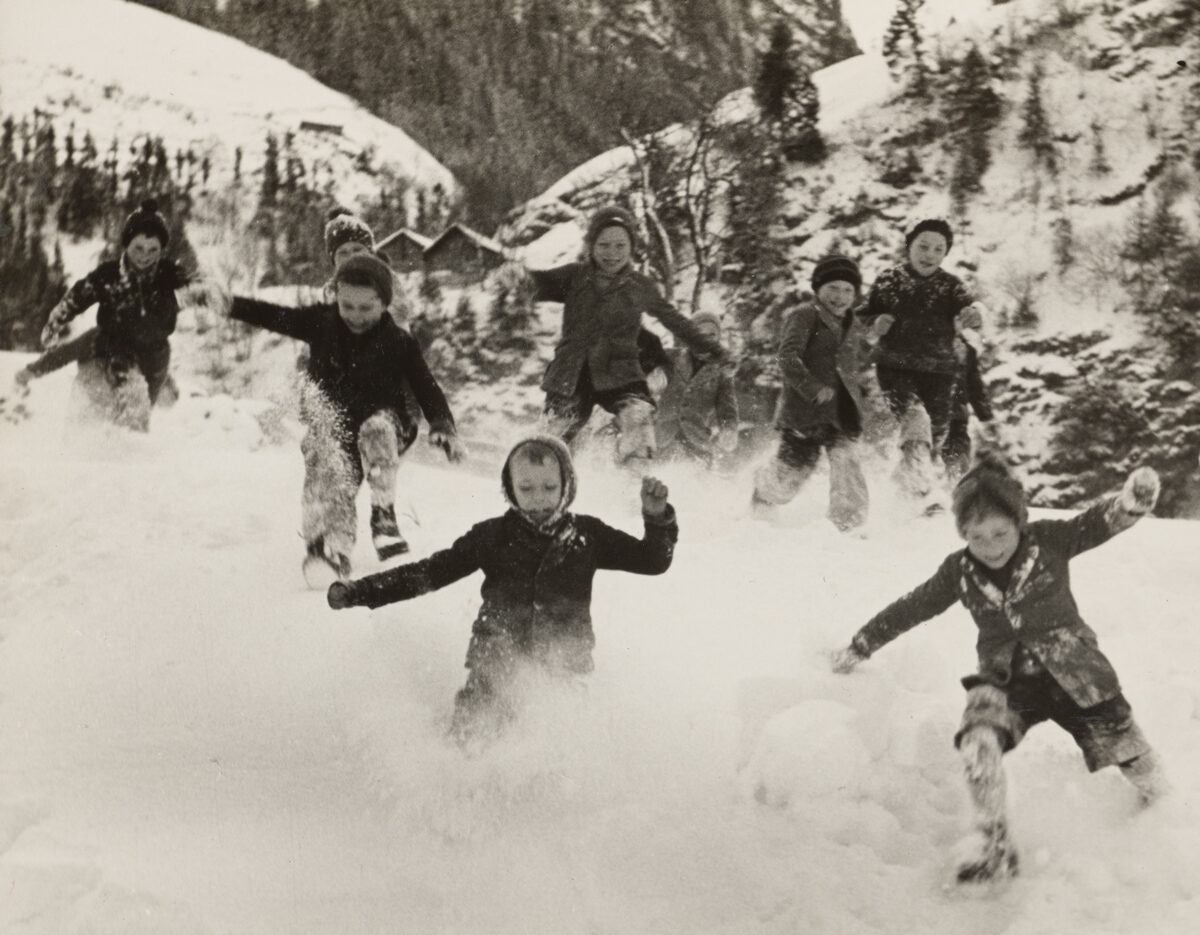
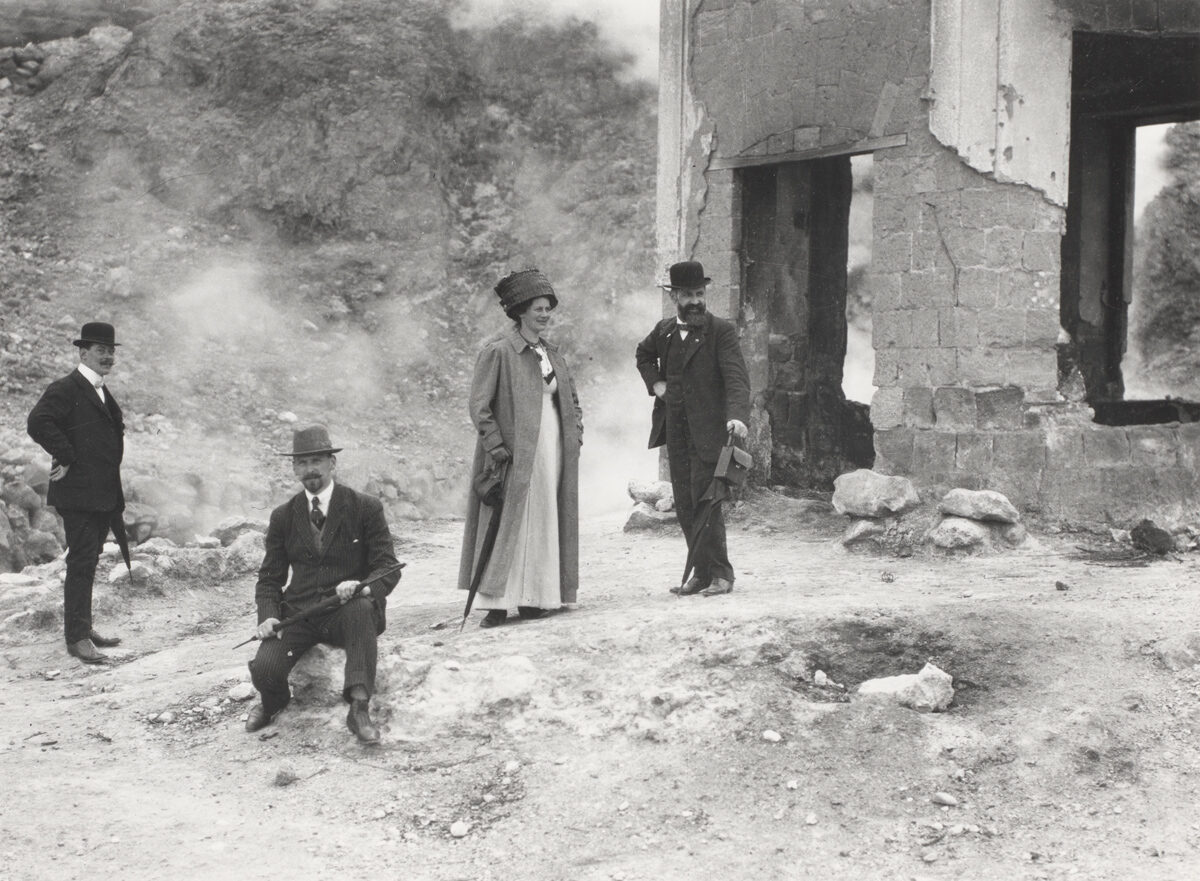
For a long time, the history of Swiss photography was primarily narrated as a story of male photographers, conveyed from a male perspective. Of the approximately 160 archives at Fotostiftung Schweiz, only 26 can be attributed to female photographers. These archives are as diverse as the women behind them – and the stories of their lives: while some careers are marked by disjuncture and a lack of continuity, others are more coherent and show a clear sense of development. Even though some women photographers did manage to establish themselves in the male-dominated profession, they often received little recognition, remaining in the shadow of their male colleagues, mentors and husbands. A number of women had the privilege of pursuing photography as a leisure activity without economic pressure, demonstrating technical skill while creating powerful images that bear witness to their times. As amateurs though, they too were left on the margins by those writing the history of Swiss photography.
The exhibition Female. Focus. Photo Archives. focuses on seven archives from 1900 to 1970. A collective of female curators from Fotostiftung Schweiz examines the peculiarities and commonalities of these archives and the conditions in which these women photographers worked. To what extent was photography a female profession? How did prevailing role models, economic structures and family duties impact the work of women photographers and the recognition they received? How are these circumstances reflected in their archives, and why have they barely been visible until now? And how can gaps in the archives and collections at Fotostiftung Schweiz be addressed?
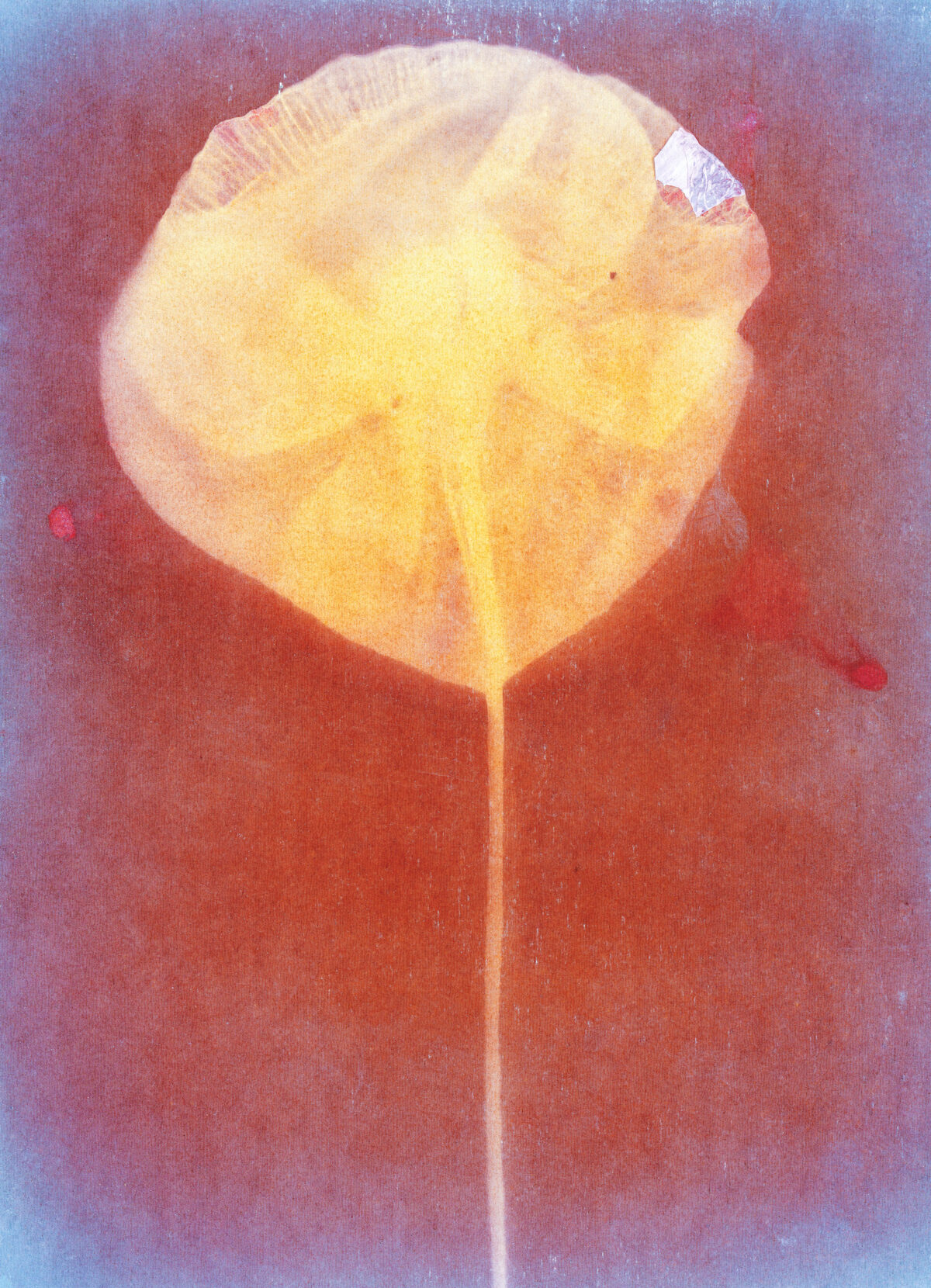
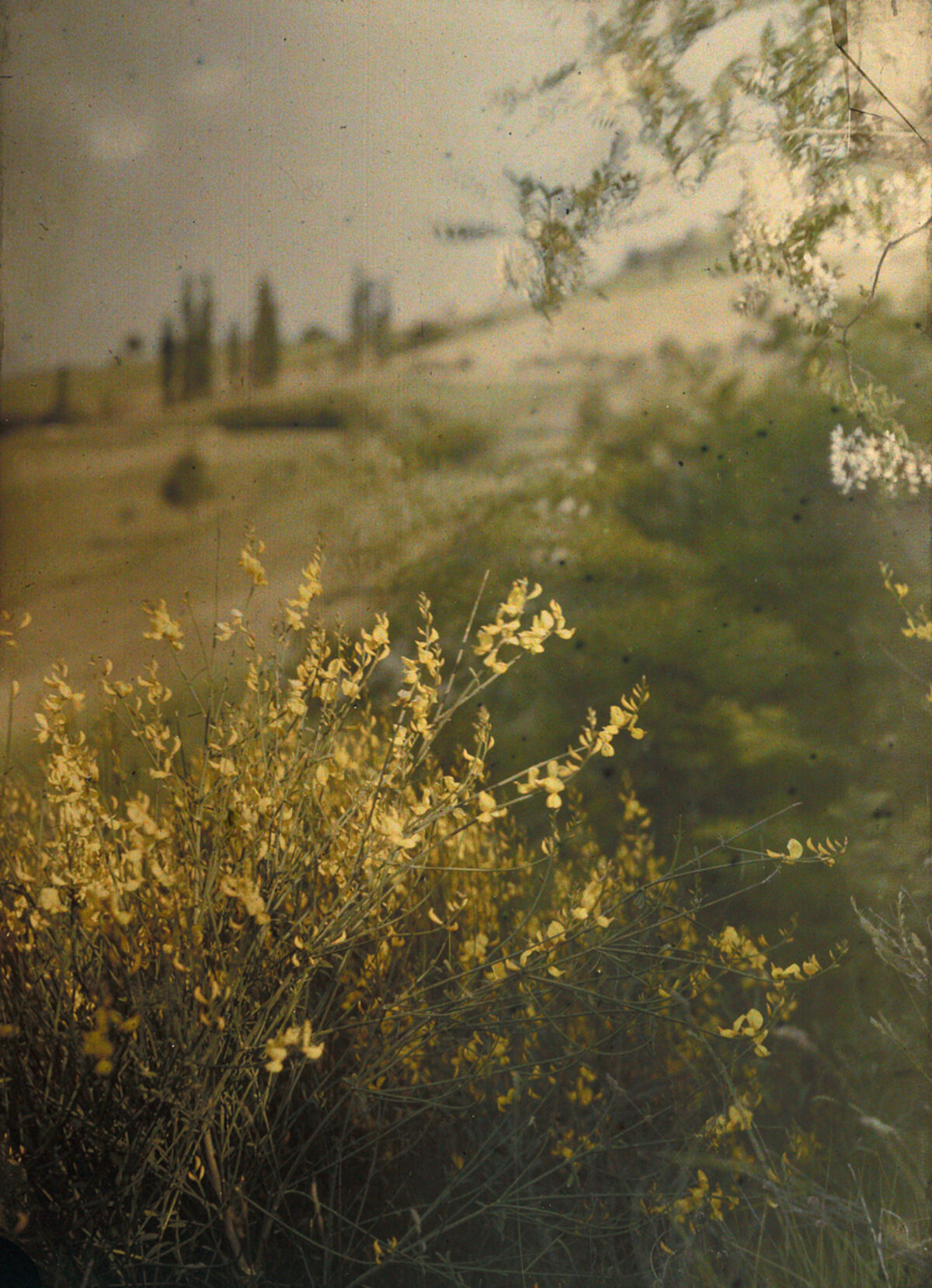
Anny Wild-Siber (1865–1942) was an amateur photographer who became adept in the use of early colour photographic processes such as the Autochrome and Uvachrome techniques. She also employed pictorialist-style fine-art printing processes to produce her landscapes and still lifes, which she submitted to international competitions and photo salons.
Gertrud Dübi-Müller (1888–1980) was a wealthy woman whose affluence afforded her considerable autonomy. She made a name for herself not only as an art collector and patron but also as a photographer who took pictures of Ferdinand Hodler and Cuno Amiet. She also used her stereo camera to document mountain hikes, society life and the deployment of troops to secure the Swiss border in 1914.
Marie Ottomann-Rothacher (1916–2002) learnt her trade in Heiri Steiner and Ernst A. Heiniger’s photography studio. Following her apprenticeship, she was given a job in the studio and spent her free weekends working on reportages for Pro Juventute. She also made a photographic record of her family life. From 1957 onwards, she worked as an assistant in a number of different studios.
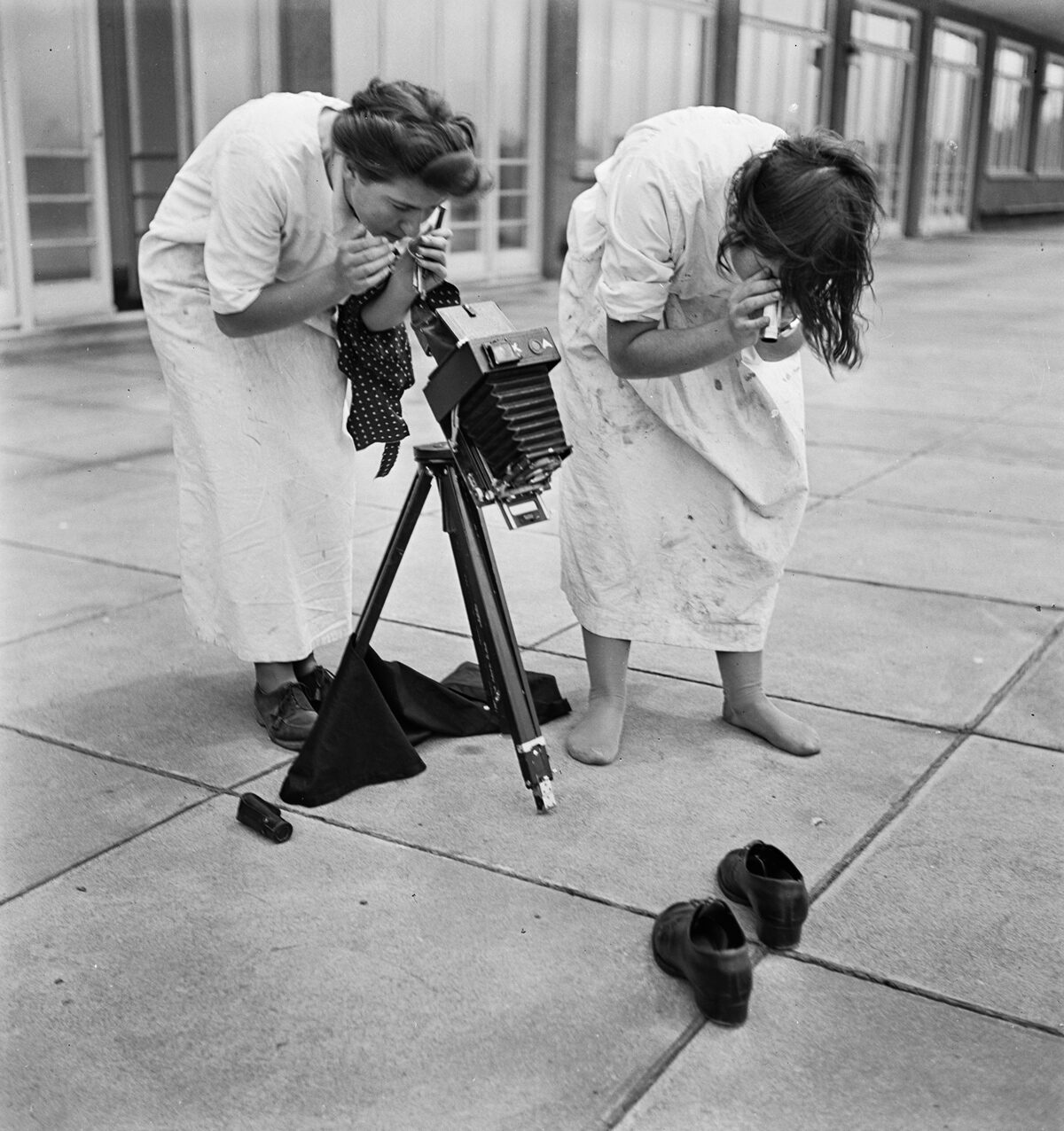
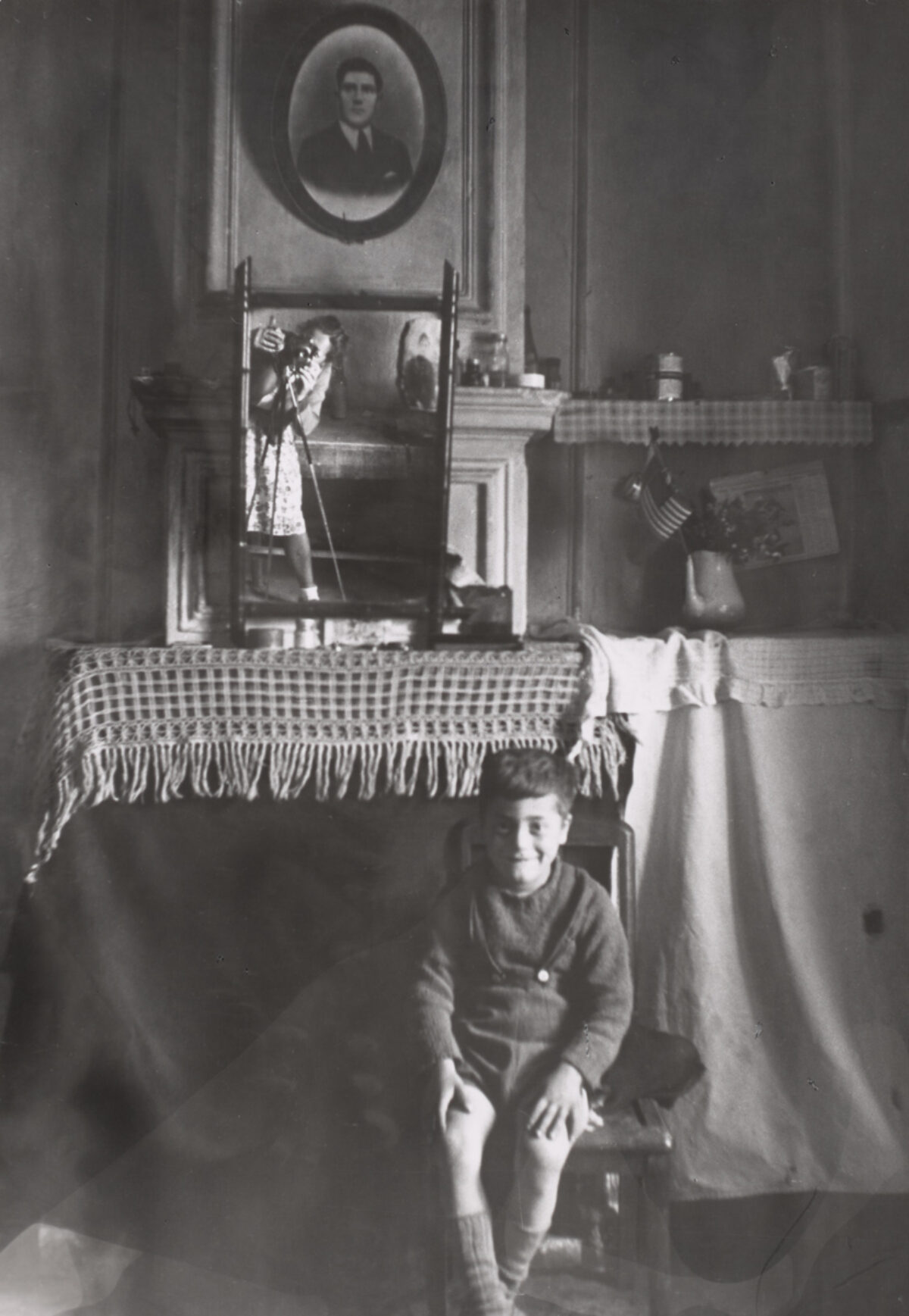
Margrit Aschwanden (1913–2004) was born into a family of photographers in the Canton of Uri. She completed her apprenticeship with her brother in 1936 and passed her master’s examination at ETH Zurich in 1941. She took photographs of children’s homes in France for the Swiss Red Cross Children’s Relief Organisation before opening a photo studio with her sister in Flüelen.
Hedy Bumbacher (1912–1992) studied history, psychology and biology in Zurich, Rome and Göttingen, before signing up for a photography course at ETH Zurich. From 1937 to 1945, she worked for Pro Juventute as a freelance photojournalist. Her pictures of Swiss mountain villages were used as illustrations for promotional material on farming subsidies (Anbaufonds) and the Berghilfe mountain aid organisation.
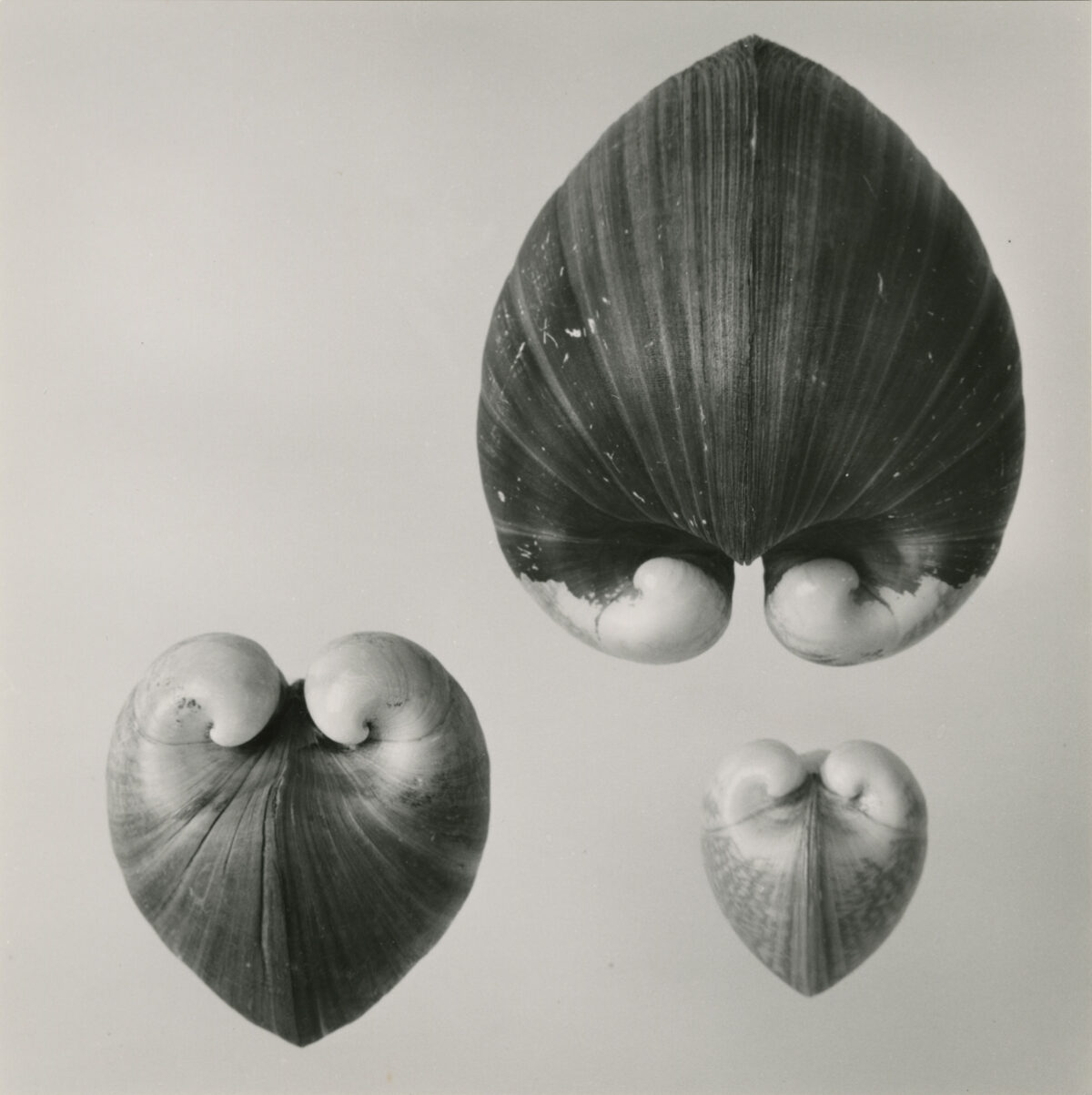
Leni Willimann-Thöni (1918–2002) completed the course in photography at the Zurich School of Arts and Crafts in 1940, and in 1941 she began working with her husband, typographer Alfred Willimann. Muscheln: Ein Wegweiser zu ungeahnten Sammlerfreuden, a study of marine mussels, was published in 1960. The book featured her photographs, which were influenced stylistically by the New Objectivity.
Anita Niesz (1925–2013) took the course in photography at the Zurich School of Arts and Crafts in the 1940s and began publishing her photojournalistic reports in the Swiss monthly magazine Du in 1949. She was interested in meeting people and set great store by her work for organisations such as Swiss Refugee Aid (SFH) and Pro Infirmis.
Die Ausstellung wurde ermöglicht durch: Kanton Solothurn, Dr. Georg & Josi Guggenheim-Stiftung; Giuseppe Kaiser Stiftung; Markant-Stiftung; Stiftung für die Frau; Stiftung zur Erforschung der Frauenarbeit; Memoriav; Gosteli-Archiv; Cinémathèque suisse